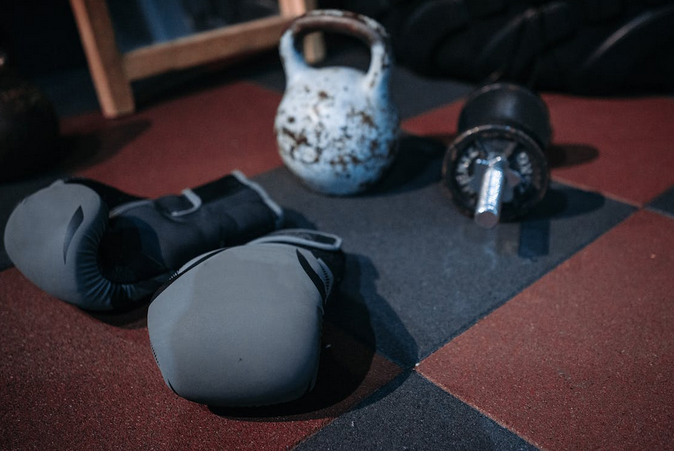
When it comes to strength training, kettlebells and dumbbells are often compared. Both are free weights, yet they differ in design and application. Dumbbells have balanced weight on each side of a handle, making them straightforward to use. Kettlebells, on the other hand, feature an off-center mass with a handle attached to a round body. This simple difference creates unique training outcomes, especially when exploring how to increase athletic power using kettlebells and dumbbells. Deciding which is better depends on fitness goals and how each tool fits into a workout routine.
Strength Training Potential
Dumbbells excel in traditional strength training. They allow controlled, isolated movements such as bicep curls, shoulder presses, or chest presses. These exercises target specific muscles with precision. Kettlebells, by contrast, often engage multiple muscle groups at once. Movements like swings or cleans require coordination of the hips, legs, and core. This makes them ideal for developing functional strength that translates into everyday movements. Both tools build muscle, but they do so in different ways.
Cardiovascular Benefits
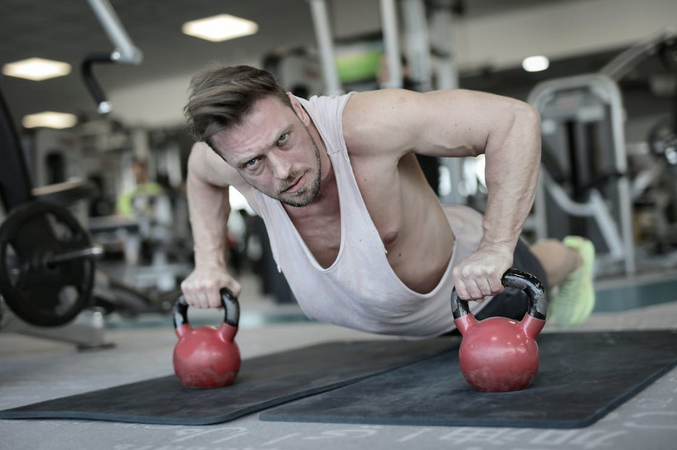
Dumbbell training typically emphasizes resistance and muscle building. It can raise the heart rate, but not as effectively as dynamic kettlebell movements. Kettlebell swings, snatches, and complexes create a blend of strength and cardio in one workout. This dual effect boosts endurance and heart health while also building power. For those short on time, kettlebells offer an efficient way to cover both cardio and strength in the same session. Dumbbells, though, remain effective for steady resistance training when cardio is not the focus.
Functional Fitness and Mobility
Kettlebells shine in the area of functional fitness. Their design encourages natural, flowing movements that mimic real-life tasks. Lifting, carrying, or swinging a kettlebell enhances stability, balance, and core strength. These qualities improve how the body performs outside the gym. Dumbbells also support functional strength, but in a more limited way. Because they favor isolated motions, they are less effective at improving mobility and dynamic control. Still, they remain reliable for building foundational strength.
Versatility and Exercise Variety
Dumbbells are highly versatile. They can be used for nearly every strength training exercise and are easy to progress with in terms of weight. Beginners often start here due to the straightforward nature of their use. Kettlebells, however, add variety through unique exercises not possible with dumbbells. Turkish get-ups, swings, and windmills provide movement patterns that challenge the entire body. This variety keeps workouts engaging and supports long-term motivation. Each tool offers versatility, but in different forms.
Accessibility and Learning Curve
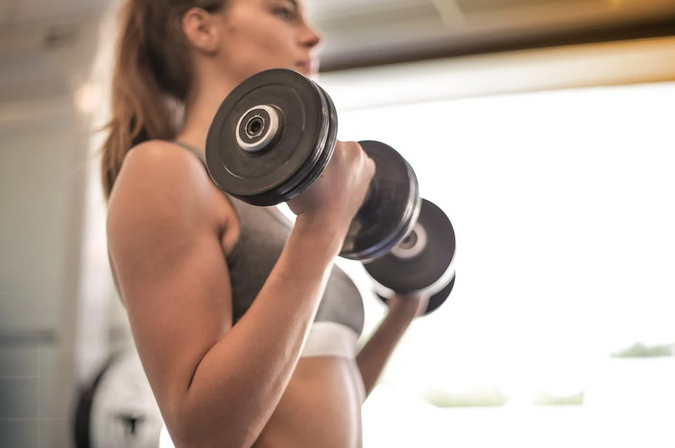
Most people find dumbbells simple to pick up and use immediately. They do not require advanced instruction, which makes them accessible to beginners. Kettlebells, by contrast, involve a learning curve. Proper technique is vital, especially for dynamic moves like swings or snatches. Without it, the risk of injury increases. With guidance, kettlebells become safe and highly effective. For beginners, dumbbells may feel less intimidating, while kettlebells require some practice before mastery. Both can be used safely with proper attention.
Space and Practical Considerations
From a practical standpoint, dumbbells often require a larger set to cover progressive weight increases. This can take up more space and cost more over time. Kettlebells are efficient because a single piece can be used in many ways. A moderate-weight kettlebell allows a person to train strength, cardio, and mobility together. For home gyms or limited space, this efficiency is valuable. Still, dumbbells remain widely available and are a staple in most fitness centers. Accessibility is rarely an issue.
The decision between kettlebells and dumbbells depends on goals. For those aiming to build isolated muscle strength and follow structured progressions, dumbbells are the clear choice. For people seeking functional strength, endurance, and mobility, kettlebells hold the advantage. Both tools contribute to overall fitness when used correctly. The utmost benefit comes from combining them, allowing balance between isolated muscle work and dynamic full-body training. Choosing one does not mean excluding the other. Together, they support a well-rounded fitness journey.