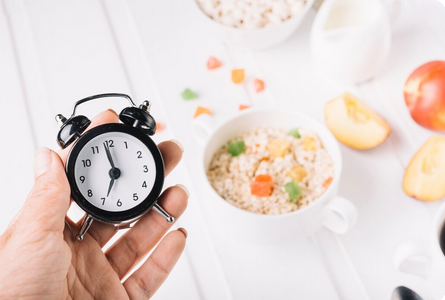
Millions of people set weight-loss goals each year, yet many overlook one of the most powerful levers: when you eat, not just what you eat. The timing of meals can strongly influence hunger hormones, energy levels, and metabolism, helping you stay in control of your intake and avoid overeating later in the day. For example, eating more of your calories earlier in the day and keeping dinners lighter has been shown to support better weight loss. Research and practical advice on eating and feeling full suggest that spacing meals regularly, finishing eating a few hours before bedtime, and aligning your food schedule with your natural clock can make a meaningful difference. Focused attention on timing, alongside balanced nutrition, may be just what you need to slip more easily into a sustainable, healthy routine.
The Role of the Body’s Internal Clock
 Our bodies operate on circadian rhythms, which affect digestion, hormone release, and energy use. Eating late at night, for example, may cause the body to store more calories as fat rather than burning them for energy. This is because metabolism naturally slows down as evening sets in. By contrast, eating larger meals earlier in the day gives your body time to use that fuel efficiently. Aligning meals with natural rhythms can help reduce fat storage and improve weight management.
Breakfast Versus Dinner
There’s long been debate about whether breakfast is the “most important meal of the day.” While the jury is still out, many studies suggest that people who eat a balanced breakfast are less likely to overeat later. Skipping it can lead to stronger cravings and late-night snacking, which may derail weight-loss efforts. On the other hand, keeping dinner lighter and avoiding heavy, late meals may prevent excess calorie storage. The balance between breakfast and dinner timing can be a valuable tool for weight control.
Intermittent Fasting and Meal Windows
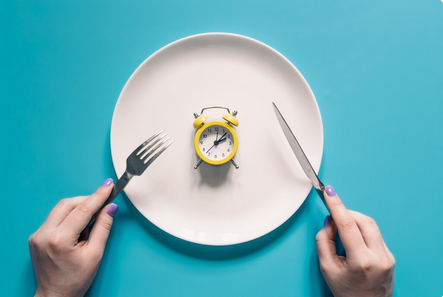
One of the most popular strategies related to meal timing is intermittent fasting. This approach involves eating during specific windows, such as eight hours, and fasting the rest of the day. While not a magic bullet, it helps some people reduce calorie intake naturally without strict dieting. Fasting periods also give the body time to tap into fat stores for energy. The key to success with this method is consistency and choosing nutrient-dense foods during eating windows.
Snacking and Energy Regulation
Small snacks can either support or sabotage weight-loss goals depending on when and what they are. Mid-morning or mid-afternoon snacks that include protein or fiber may help stabilize blood sugar and prevent overeating at main meals. However, constant grazing, especially late in the evening, tends to increase calorie intake without offering much nutritional benefit. Being intentional about snack timing can help keep hunger in check while maintaining steady energy throughout the day.
Meal timing plays a significant role in weight loss, complementing the classic focus on diet quality and physical activity. Eating in sync with your body’s natural rhythms, emphasizing earlier meals, experimenting with fasting windows, and being mindful about snacks can all influence results. While there is no one-size-fits-all schedule, paying attention to when food is consumed can give weight-loss efforts an extra boost. Ultimately, combining smart meal timing with balanced nutrition and regular exercise offers the most sustainable path toward achieving and maintaining a healthy weight.